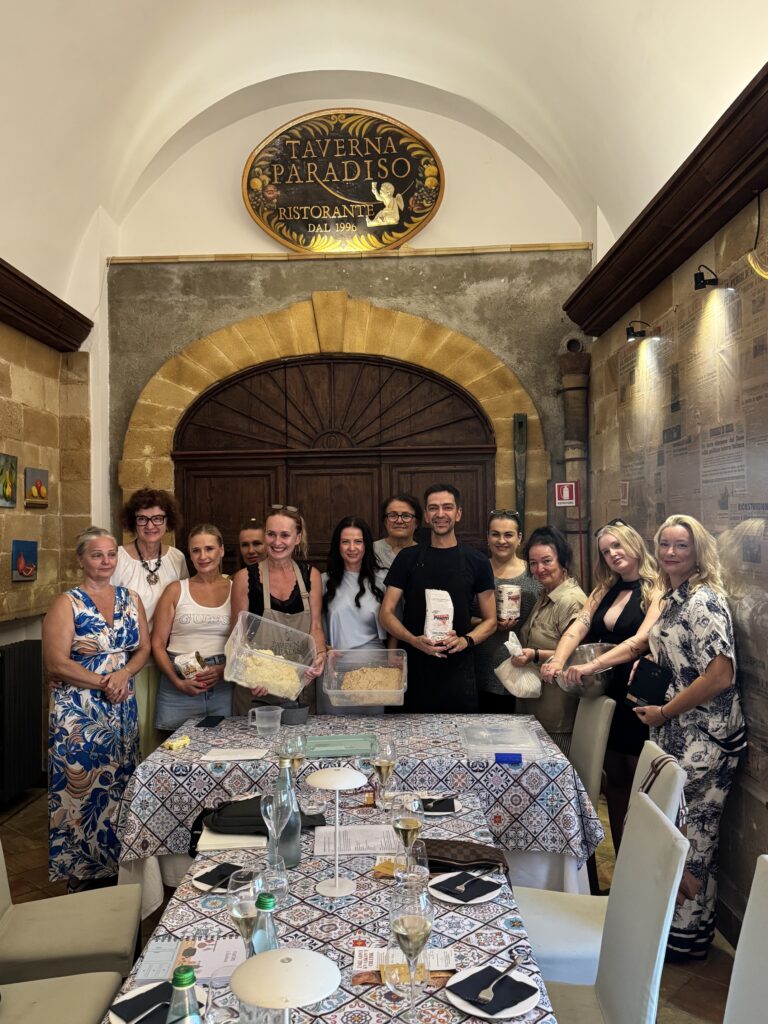
Sourdough workshop in Sicily
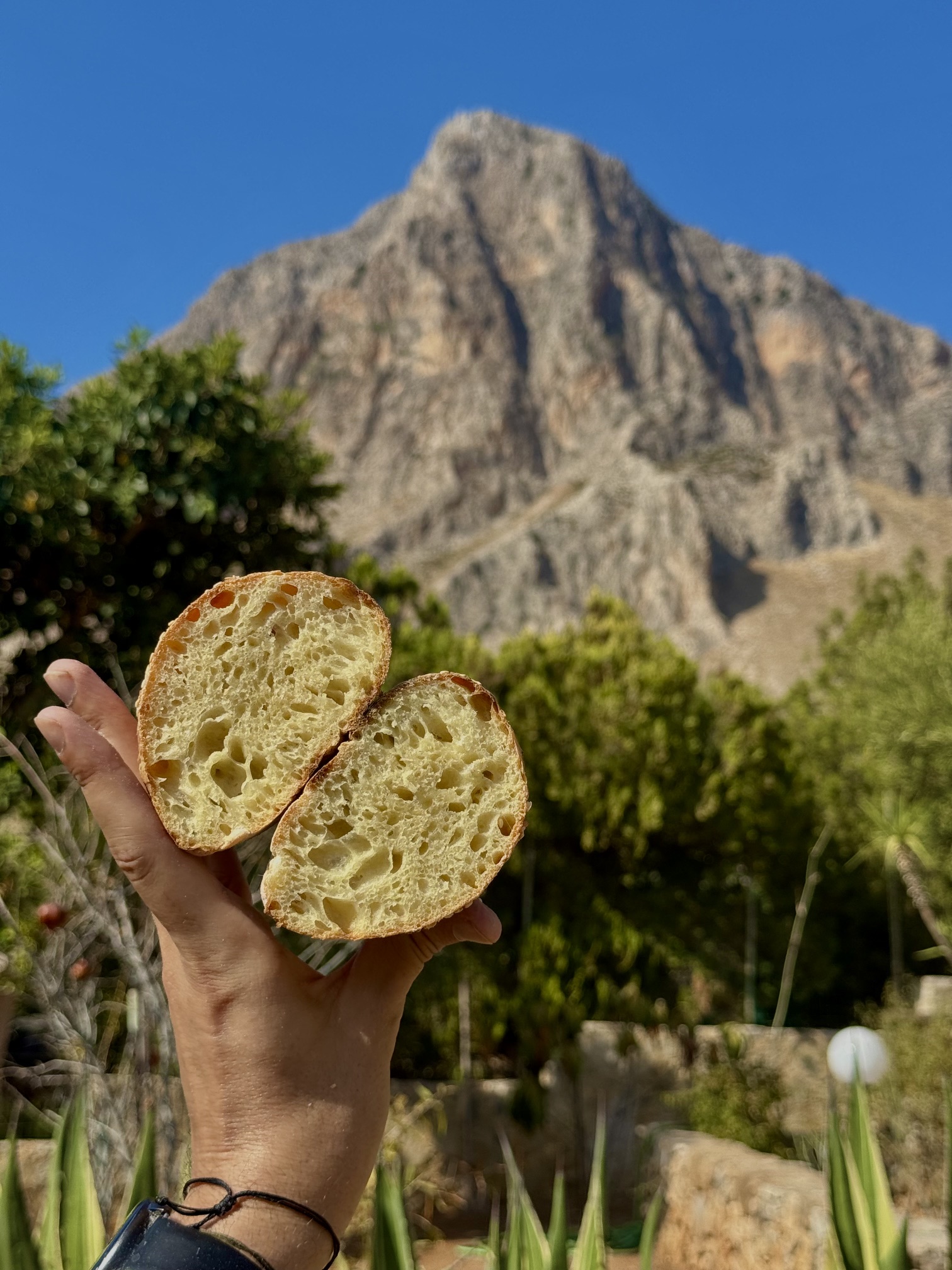
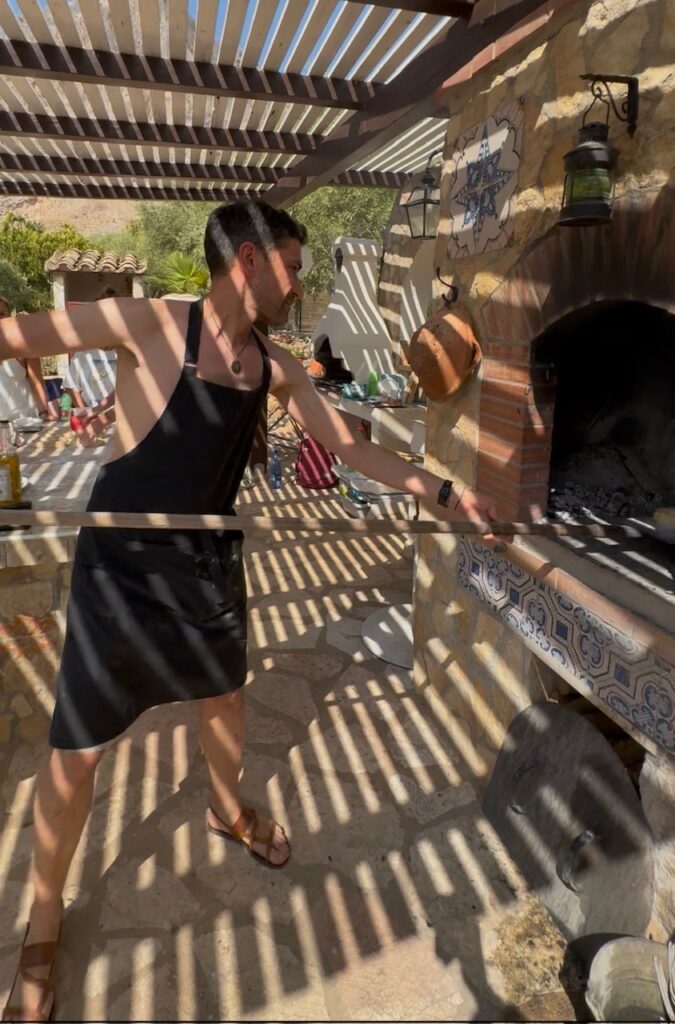
My inner bread nerd had always dreamed of baking in a wood-fired brick oven, something you don’t commonly find in bakeries nowadays. So when I received an invitation from Jana Balážová and Andrea to co-host a sourdough baking workshop in Sicily, I enthusiastically agreed. The opportunity to work with a traditional wood-fired oven was an important part of the experience for me.
Baking this way is very different from the production systems I’m used to, and working with freshly stone-milled semola rimacinata requires its own approach to fermentation, hydration, and dough handling. But that was precisely what made the experience so fascinating. Baking naturally leavened bread under the hills of Monte Cofano in Trapani, Sicily, definitely belongs in my collection of best sourdough memories.
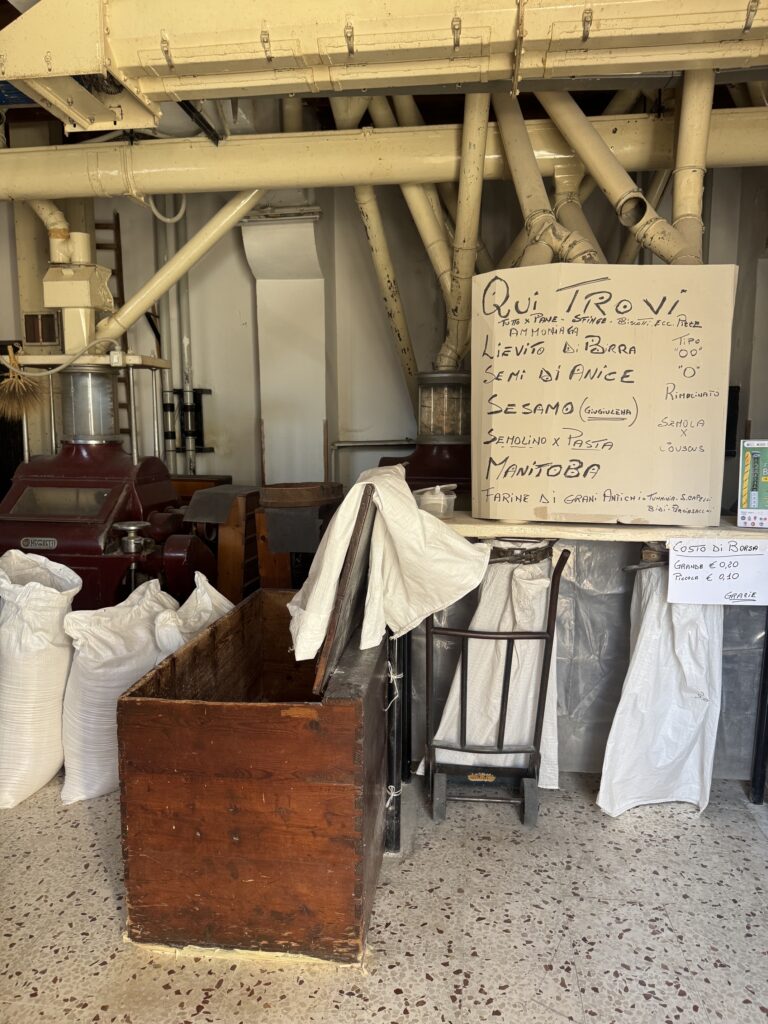
While in Sicily, we also visited a local mill, where I had a chance to see traditional grain varieties being stone-milled and to compare them with the modern wheat varieties I work with more often. For a bread technologist, this was something of a playground. I probably asked far too many nerdy questions, but the miller was incredibly generous with his knowledge and open about his work, which made the visit particularly valuable to me.
Another highlight was visiting a family-run local bakery that has been baking for more than five decades. Much of their production is based on lievito madre, without the addition of commercial yeast. What fascinated me even more was discovering that there is no refrigeration in their production process. Fermentation is managed with lievito madre and ambient temperature, requiring the bakers to work continuously with the conditions around them rather than relying on cold fermentation to control the schedule.
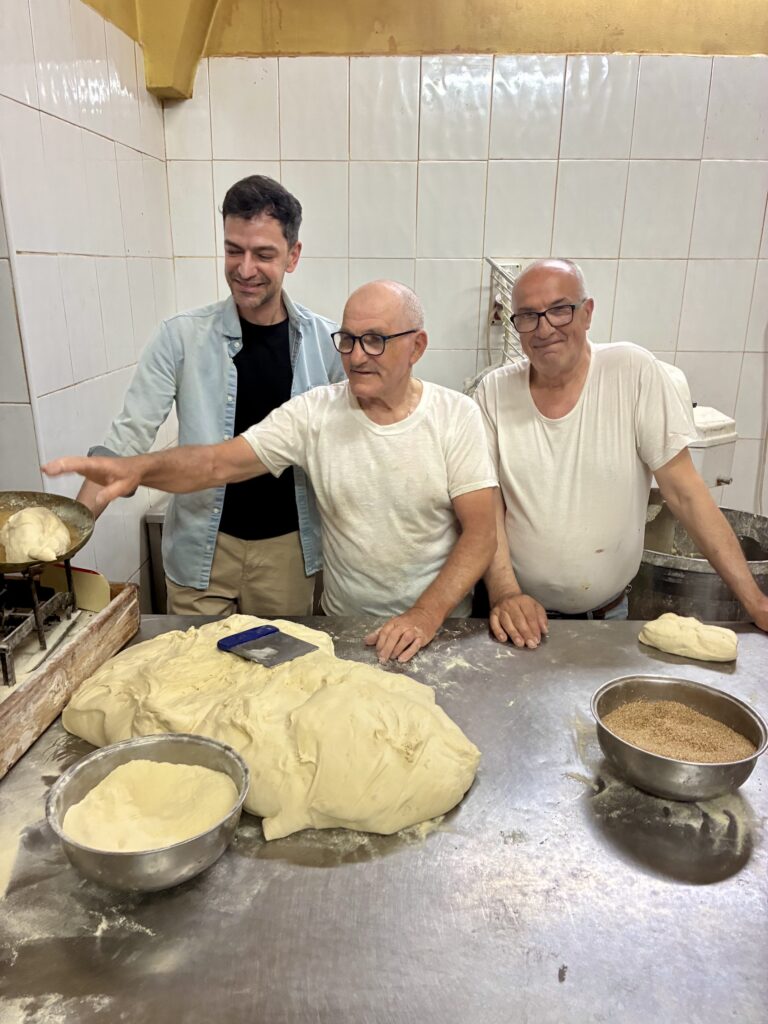
It was a pleasure to talk with the family about sourdough, fermentation, and their way of working, and, of course, to taste their bread. I was even invited into the production space and allowed to taste their lievito madre itself. For someone who spends so much of his professional life thinking about sourdough fermentation, being welcomed into a bakery and offered a taste of its mother culture almost immediately after meeting the bakers felt particularly special.
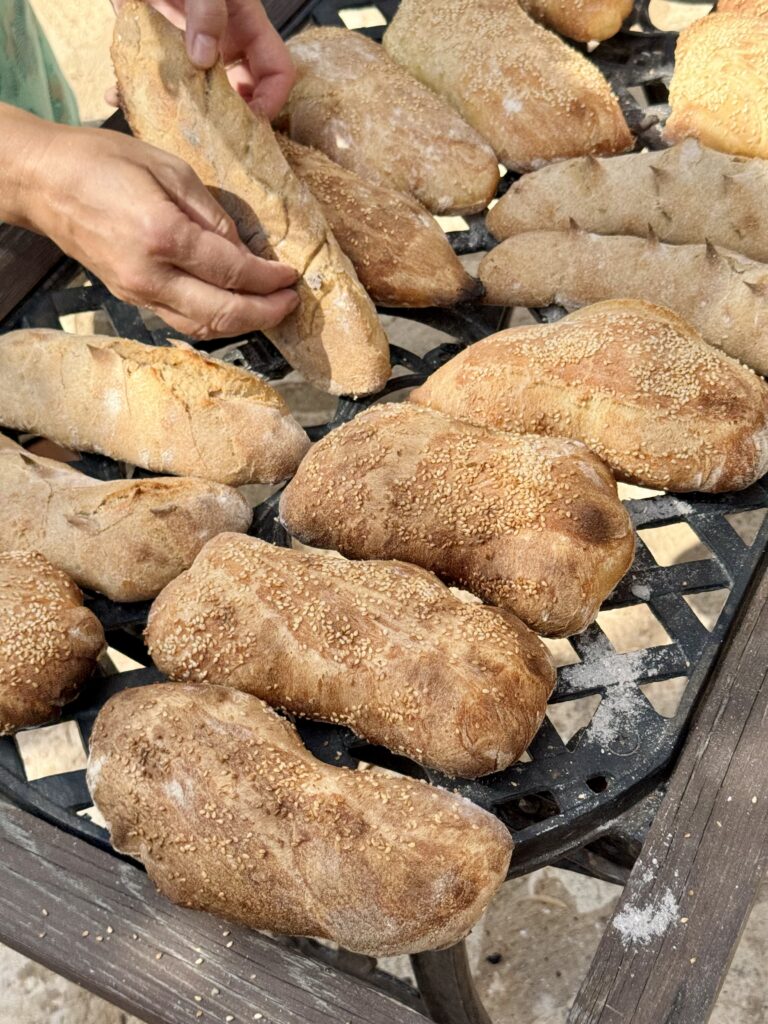
And then there was our own bread.
For those who are curious about the technical side, we made it with a stiff starter, freshly stone-milled semola rimacinata, around 85% hydration, 2% salt, and 2% olive oil. Working with the flour, fermentation, and wood-fired oven required adapting the process along the way rather than simply transferring a familiar recipe into a new environment.
The result was exceptional. But I think genius loci, or perhaps the wood-fired oven itself, deserves some of the credit. There are things in breadmaking that can be measured and controlled, and then there are combinations of grain, fermentation, fire, place, and people that are much harder to reproduce anywhere else.
Thank you, Jana and Andrea, for inviting me to Sicily, for trusting me to share my knowledge, and for giving me the opportunity to learn from a bread culture different from my own.